
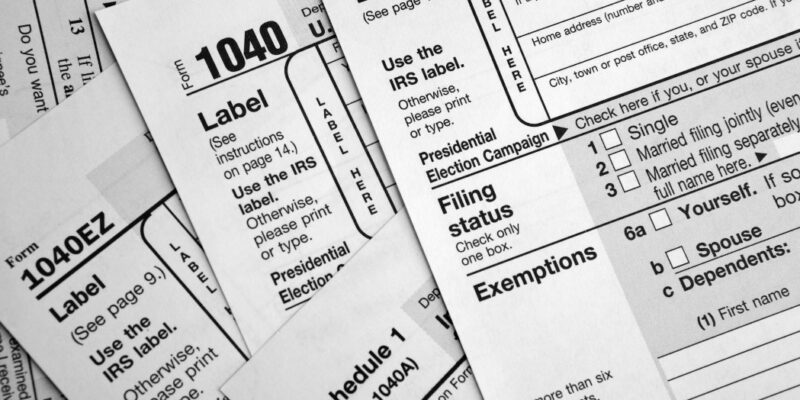
Tax season is underway, and workers who are legally blind have some ways to reduce their tax burden.
In 2024, the Wisconsin Legislature enacted a new tax credit for workers who are, or have a spouse who is, legally blind. If you (or your spouse if you’re filing jointly) are blind, employed and paid for transportation services to get to or from work, you can claim a credit for 50% of your transportation costs on your 2025 taxes. The maximum credit is $1,500, or if you and your spouse are both blind, $3,000. Most types of transportation services you might use to travel between home and work qualify for this credit, including mass transit, paratransit, taxi, or a “transportation network company” like Uber or Lyft.
Workers who are legally blind can also claim an additional deduction on top of the standard deduction on their federal income taxes. You can learn more about this additional deduction in IRS Publication 401.
To qualify for either of these tax breaks, you must meet the IRS definition of blindness, which is central visual acuity of 20/200 or less in the better eye with corrective lenses, or a field of vision of 20 degrees or less. You must provide documentation in the form of a Statement of Legal Blindness from your ophthalmologist. This statement must be from an eye doctor; a vision rehabilitation therapist cannot provide a Statement of Legal Blindness.
The Wisconsin Department of Revenue has more information on the Blind Worker Transportation Services Credit on page 17 of the 2025 Form 1 Instructions.