
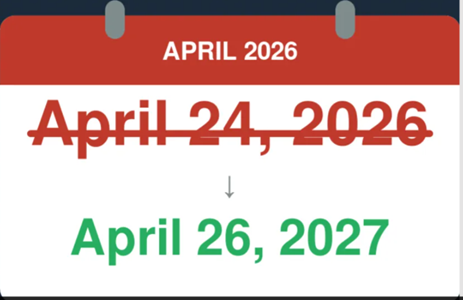
A federal rule mandating that all government websites and apps be made fully accessible to all people with disabilities was supposed to go into effect last month. The rule was finalized in 2024 under Title II of the Americans with Disabilities Act (ADA). However, just days before April 24 compliance deadline, the U.S. Department of Justice (DOJ) announced that they were pushing back the deadline by a year. The Council is deeply disappointed with this decision and urges all government agencies to make their websites accessible as soon as possible.
Title II of the ADA prohibits governments from discriminating against people with disabilities. In 2010, Title II was amended to include website accessibility, stating that all government sites should be fully accessible to people with disabilities. Even though the rule was written in 2010, it took until 2024 for lawmakers to finally mandate that accessibility be standard for all government websites. The delay means screen reader users and others who rely on access technology will have to wait even longer to access the same vital information available to users without disabilities.
Every person deserves access to information that is important to their lives. But when websites, forms and pdf documents are set up without accessibility in mind, those using access technology are unable to get the critical information they need. Students with vision loss need access to accessible classroom materials in order to succeed. Tax filers need access to federal and state tax information. And everyone needs secure and accessible access to their health information to stay healthy and safe.
If you use a screen reader or another adaptive technology, there are things you can do to help push public entities to make their information accessible. If you encounter an inaccessible website, whether it’s a government site or a private business, contact the webmaster or other person in charge of the website and tell them about it. Clearly lay out how the barrier is preventing you from accessing the information. If it’s a government website, start by reaching out to someone from that agency and asking to speak to their webmaster. You can also reach out to your elected officials and explain to them why you cannot wait a year for public websites to become accessible.
DOJ may have moved the deadline back by a year, but that doesn’t mean government agencies should wait to make their web content accessible. They should be doing it NOW. Telling agency staff and elected officials how inaccessible websites are affecting your life can be your first advocacy step toward gaining access to the information you need.