
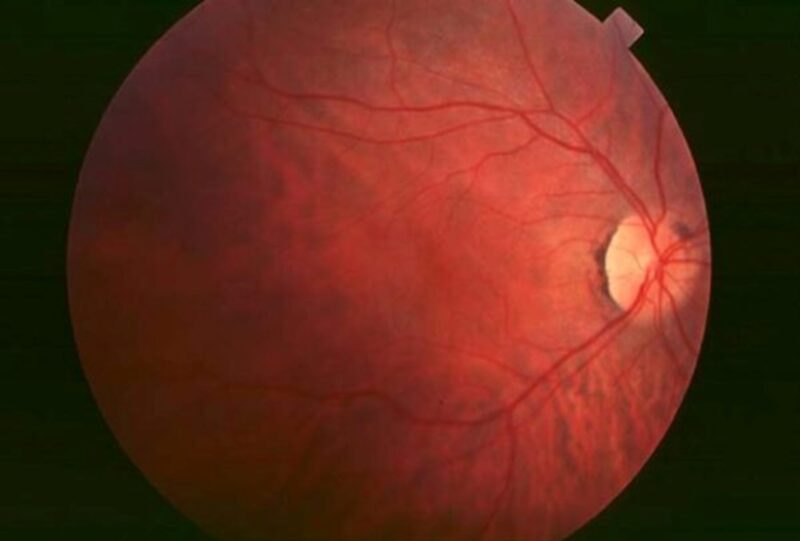
In order to fully address the needs of the blind and low vision community, it is important we know as much as possible about all aspects of their lives. Across the country, there are many organizations conducting research aimed at growing that understanding.
There are two main categories of research organizations in the blind and low vision field: medical and social. Medical research groups study the causes of vision loss with the hope of finding cures and treatments for various vision-related disorders. Social research groups study the living conditions of people with vision loss by evaluating statistical data on things like employment and access to healthcare. Both sides of the research field help us better understand the needs of the vision loss community. Here’s a brief roundup of key organizations involved in blindness and low vision research.
Foundation Fighting Blindness conducts some research, but they are best known for providing grant funding to organizations seeking to cure vision-related disorders. The Foundation awards more than 100 grants every year that fund research on the prevention, treatment and cure for various conditions. Much of their focus is on retinal eye diseases, and their funding has helped with the identification of over 20 genes linked to retinal disease.
Prevent Blindness is another medical research group emphasizing early detection of vision loss. Their research is aimed at promoting eye screenings and encouraging parents to take their children to an ophthalmologist so that eye conditions can be identified early enough to prevent complete loss of vision. They also do a lot of advocacy at the federal level to bolster the vision rehabilitation field.
The McPherson Eye Research Institute at UW – Madison and the Medical College of Wisconsin are Wisconsin-based institutions that are heavy hitters in the medical research field. They conduct cutting-edge research on a variety of vision-related diseases, with a lot of their recent work pertaining to inherited retinal diseases.
Envision Research Institute bridges the gap between medical and social research. Working with occupational therapists, they help to bring more legitimacy to the field of vision rehabilitation within the medical field. Using medical data, they use their research to show how different forms of vision rehabilitation therapy improve the lives of people with vision loss.
On the social research side, one of the oldest blind and low vision research organization in the U.S. is the American Foundation for the Blind (AFB). Their top priorities are education, employment and aging, and they use their findings to advocate at the federal level for legislation to improve the well-being of people with vision loss.
While not explicitly a research organization, VisionServe Alliance (VSA) recognizes the need for social research within the blind and low vision community. Their Big Data Reports on Older Adults and Working Age Adults with Vision Loss are massive research projects that give comprehensive demographical data on people across the country who are blind or low vision. They are also working on a new research project on effective methods of vision rehabilitation so we can better understand the impact of this work.
Older Individuals who are Blind Technical Assistance Center (OIB-TAC) provides technical support for state-run Offices for the Blind and Visually Impaired (OBVI) across the country and their clients. As such, they conduct social research to uplift the field of vision rehabilitation specialists. This includes research into topics like falls prevention, lighting practices and social issues like the stigma of vision loss.
This roundup is not comprehensive. There are many more organizations and resources dedicated to medical research than to social research. This is especially true for medical research organizations searching for cures for various eye diseases. While this medical research is important, it is also important to recognize the current lives of people with vision loss.
Across our society, there is a prevalent belief that having a disability like blindness or low vision is an inherently bad thing that must be “fixed” rather than simply part of the spectrum of human physical characteristics. The reality is that many eye disorders will probably not be cured within our lifetime, and people with vision loss deserve proper vision rehabilitation therapy so they can continue to live fulfilling and independent lives. There is room in the blind and low vision community for both medical and social research as we work together to build a better world for the population we serve.