
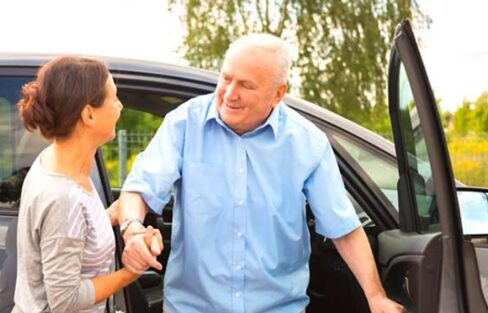
Volunteer driver programs are vital lifelines for older adults, people who are blind or low vision, and those with other disabilities living in rural parts of Wisconsin. Drivers donate their time to transport riders in their own vehicles to and from wherever they need to go. Volunteer drivers also support vital social programs, such as Meals on Wheels. Unfortunately, strict insurance requirements for volunteer drivers are causing many drivers to leave their programs. The resulting shortage is making it harder for nondrivers to stay healthy and connected to their communities.
Most volunteer driver programs are funded by state and federal dollars and are supported and coordinated at the county level. Drivers who volunteer through local county-based programs do not get paid. However, they are usually reimbursed for mileage to cover the cost of gas and other expenses. Unfortunately, that reimbursement can trigger a change in the driver’s classification for insurance purposes. If a volunteer driver accepts mileage reimbursement payments from those public tills, then they are reclassified as a “commercial driver.” That often leads to a steep increase in monthly insurance premiums. In some cases, it may even result in their insurance company dropping their coverage entirely. Changes to state law could protect volunteer drivers to ensure that they can continue to provide these vital services. But for now, it’s a growing problem.
According to research from the Greater Wisconsin Agency on Aging Resources (GWAAR), 34% of volunteer driver programs in Wisconsin have lost drivers due to issues with their insurance, and 31% of volunteer drivers themselves say they’ve either had to switch insurance providers or deny accepting mileage reimbursement payments for their work. Fluctuating insurance rates, combined with other challenges facing volunteer driver programs, such as aging drivers and changing attitudes towards volunteer work, mean fewer drivers are available for the people who need rides.
The problem exists across the state, but non-drivers in rural Wisconsin are the most vulnerable due to a lack of other transportation options where they live. They are already experiencing the impact, with fewer drivers available to transport them to the doctor’s office, to work and to the grocery store.
According to a study from the National Institutes of Health, people with disabilities experience loneliness and social isolation at significantly higher rates than people without a disability. The driver crunch is contributing to this problem as well, as rural non-drivers find it increasingly difficult to get out into the community for social gatherings and to visit friends. For many riders, the trips themselves serve as a social outlet, as they form relationships with the drivers they see on a regular basis.
This issue also affects the agencies that run volunteer driver programs. No agency wants to turn away a person calling to request a ride to a medical procedure. So when they can’t find a volunteer to get that rider to their destination, the agency ends up paying for a commercial ride instead. That financial burden adds up over time, meaning fewer resources to support the rest of the agency’s critical work.
State lawmakers must act to protect volunteer drivers from sudden changes to their insurance. 2026 is an election year, which means legislative candidates will be spending time out in their communities talking with constituents about the issues that matter to them. This is a perfect opportunity to tell them about the issues nondrivers face every day, including the shortage of volunteer drivers. Educating candidates about these issues now, before they are in office, is a great way to forge a relationship that will pay off in the future and get them thinking about this and other issues that affect non-drivers.
GWAAR is currently collecting stories from riders and volunteer drivers to better understand the full impact of this issue. If you rely on volunteer driver programs to get to where you need to go, or are a volunteer driver yourself, please share your story, regardless of whether you’ve been directly affected by a shortage of drivers or changes in insurance.